
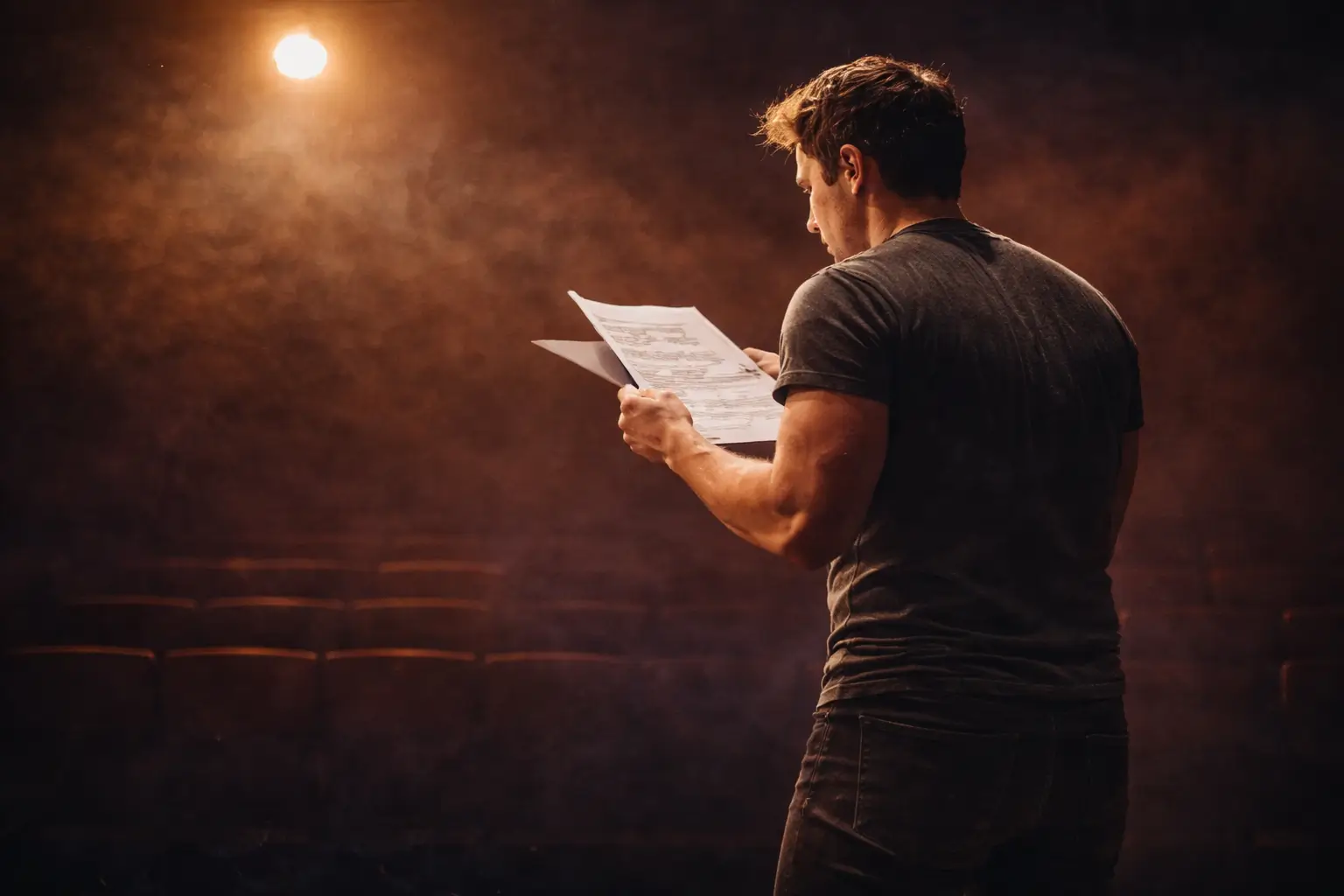
Every actor eventually faces a moment where they must stand alone and deliver a powerful performance. That moment often comes in the form of a monologue. Learning how to practice a monologue properly can transform an average performance into a compelling and memorable one. Many actors focus only on memorizing the lines, but real monologue practice goes much deeper than that.
A monologue is not simply a speech. It is a living moment where a character reveals thoughts, emotions, and intentions. When actors understand how to practice a monologue, they learn how to connect emotionally with the text, control their voice and body, and communicate a believable story to the audience.
Professional performers know that great acting rarely happens by accident. Behind every strong performance there are consistent monologue rehearsal techniques and disciplined acting practice exercises that help actors discover the character’s motivations and emotional journey.
This guide explains how actors practice monologues in a way that builds authenticity, emotional depth, and performance confidence. Instead of repeating the lines again and again, you will learn smarter ways to rehearse and perform your monologue with clarity and impact.
Understanding the Purpose of Monologue Practice
Before learning how to rehearse a monologue, actors must understand why monologues are important in acting training. A monologue allows an actor to work independently while developing essential skills such as emotional expression, vocal control, imagination, and character analysis.
Unlike scenes with multiple actors, monologues require the performer to create the entire dramatic moment alone. This means the actor must hold the audience’s attention using only voice, expression, and presence.
Strong monologue practice also improves concentration. Actors learn how to stay emotionally connected to the character while delivering dialogue naturally. This skill becomes extremely useful during auditions, stage performances, and film acting.
When actors consistently train using focused monologue practice exercises, they begin to understand how emotions, intentions, and physical actions work together during a performance.
Step-by-Step: How to Practice a Monologue
1. Understand the Character First
The first step in learning how to practice a monologue is understanding the character. Ask simple but important questions:
- Who is the character speaking to?
- What does the character want in this moment?
- Why are these words being spoken now?
When actors clearly understand the character’s objective, the monologue becomes more natural and believable.
2. Break the Monologue into Emotional Beats
One of the most effective monologue rehearsal techniques used by professional actors is breaking the monologue into smaller emotional sections called beats.
Each beat represents a shift in emotion, thought, or intention. For example:
- frustration
- realization
- hope
- determination
When actors identify these shifts, the monologue becomes dynamic rather than flat.
3. Practice Without Memorizing First
A common mistake beginners make during monologue practice is trying to memorize the script immediately.
Instead, actors should first explore the meaning behind the words. Read the monologue slowly and focus on understanding the emotions. Once the intention is clear, memorization becomes much easier.
4. Use Physical Movement During Rehearsal
Real performances are rarely static. Effective acting practice exercises often include physical movement to help actors stay emotionally connected.
Try rehearsing your monologue while walking slowly or changing positions in the room. Movement can help release tension and make the performance feel more natural.
5. Practice in Different Emotional Variations
One technique that experienced performers use while learning how to rehearse a monologue is emotional variation.
Deliver the monologue multiple times while experimenting with different emotional intensities. For example:
- calm and controlled
- emotional and vulnerable
- confident and determined
This exercise allows actors to discover deeper layers in the character.

Powerful Monologue Practice Exercises
Actors often believe that repeating a monologue many times will automatically improve their performance. However, professional acting training shows that improvement comes from focused practice techniques, not just repetition. This is why understanding how to practice a monologue correctly is essential for any actor who wants to deliver a believable and emotionally engaging performance.
These monologue practice exercises are designed to help actors explore emotions, improve vocal control, and build a deeper connection with the character. When actors learn how to practice a monologue with clear intention and emotional awareness, their performances naturally become stronger and more authentic. Many acting coaches use similar exercises in theatre schools and acting workshops because they develop both emotional intelligence and performance awareness.
Below are some powerful exercises that actors can use to improve their monologue practice and make performances more authentic. By applying these techniques consistently, actors begin to understand how to practice a monologue more effectively and discover practical ways how to practice a monologue so that each rehearsal leads to deeper character understanding and stronger stage presence.
1. Emotional Layer Exercise
One of the most effective monologue rehearsal techniques is performing the same monologue while exploring different emotional layers.
Instead of delivering the lines in only one emotional tone, actors should experiment with multiple interpretations of the same text. For example, a monologue that sounds angry at first might also reveal sadness, disappointment, or vulnerability underneath.
During this exercise, perform the monologue three times:
- First with strong emotional intensity
- Second with restrained emotions
- Third with a calm but deeply internalized feeling
This technique helps actors discover hidden emotional possibilities in the dialogue and prevents the performance from becoming one-dimensional.
2. Objective and Intention Exercise
Great acting is driven by intention. Every character wants something from the person they are speaking to.
In this monologue practice exercise, actors focus on identifying the character’s objective. Ask yourself:
- What does the character want right now?
- Are they trying to convince someone, apologize, defend themselves, or express love?
Once the objective is clear, deliver the monologue while actively trying to achieve that goal. This creates natural urgency and makes the performance feel more believable.
This is one of the key ways how actors practice monologues professionally during rehearsals.
3. Physical Action Exercise
Many beginners perform monologues while standing still. However, real emotions often create physical reactions in the body.
In this exercise, actors rehearse the monologue while performing simple physical actions such as walking slowly, sitting down, picking up an object, or changing positions in the room.
The goal is not to add random movement but to allow the body to respond naturally to the character’s emotions. Physical activity often helps actors avoid stiffness and brings more authenticity to the performance.
This exercise is widely used in professional acting practice exercises because it connects physical expression with emotional intention.
4. Subtext Discovery Exercise
Subtext is one of the most important elements in acting. It refers to the hidden meaning behind the spoken words.
During this monologue practice exercise, actors read the monologue and identify what the character is truly thinking but not saying directly.
For example, a character might say:
“I’m fine. Everything is okay.”
But the subtext might actually be:
“I’m hurt, but I don’t want to show it.”
Actors should perform the monologue while focusing on this hidden emotional truth. This technique adds depth and realism to the performance and is often taught in advanced monologue rehearsal techniques.
5. Pause and Silence Exercise
Many actors rush through their monologues without allowing space for thought and reaction.
In this exercise, actors deliberately add pauses between key moments in the dialogue. During the pauses, they imagine the character thinking or reacting internally.
These silent moments create emotional tension and make the performance feel more realistic. Audiences often connect more deeply when they can see a character thinking rather than simply speaking.
This exercise also improves timing and emotional pacing during monologue practice.
6. Recording and Self-Observation Exercise
One of the simplest yet most powerful ways to improve is by recording your performance.
Actors often discover things they never notice while performing, such as repetitive gestures, rushed dialogue, or unclear emotional transitions.
Record your monologue on video and watch it carefully. Observe:
- Facial expressions
- Body posture
- Vocal clarity
- Emotional authenticity
This method helps actors evaluate their own work objectively and refine their performance over time.
Why These Exercises Matter
These exercises demonstrate how actors practice monologues in professional training environments. Instead of simply memorizing lines, actors learn to explore emotional depth, intention, physical behavior, and subtext.
Consistent use of these monologue practice exercises helps actors develop stronger performances and a deeper understanding of character psychology.
When practiced regularly, these techniques can transform a simple monologue into a powerful and emotionally engaging performance.
Common Mistakes Actors Make During Monologue Rehearsal
Learning how to practice a monologue is not only about using the right techniques; it is also about avoiding the mistakes that weaken a performance. Many actors spend hours rehearsing their monologues, but small habits during rehearsal can make the performance feel unnatural, mechanical, or emotionally flat.
Understanding these mistakes can dramatically improve monologue practice and help actors develop stronger and more believable performances.
Below are some of the most common problems actors face during monologue rehearsal techniques, along with practical insights on how to avoid them.
1. Memorizing Lines Without Understanding the Meaning
One of the biggest mistakes actors make during monologue practice is focusing only on memorizing the dialogue.
Many beginners repeat the lines again and again until they remember every word. While memorization is important, it should never be the first step in how to rehearse a monologue.
When actors memorize without understanding the character’s intention, the performance often sounds robotic. The dialogue may be correct, but the emotional connection is missing.
A better approach is to first understand:
- what the character wants
- why the character is speaking
- who the character is speaking to
Once these questions are clear, the lines begin to feel natural rather than forced.
2. Performing the Monologue Instead of Living the Moment
Another common mistake is “performing” the monologue instead of experiencing it.
Some actors try to sound dramatic or impressive during rehearsal. They focus on projecting emotions outward rather than experiencing the character’s thoughts internally.
Professional actors understand that acting is not about showing emotions; it is about living the situation truthfully.
When learning how actors practice monologues, one important rule is to imagine a real person listening to the monologue. The actor should speak as if they are having a real conversation with someone, even if that person is invisible.
This shift from “performing” to “experiencing” makes the monologue feel authentic.
3. Ignoring Emotional Transitions
Many monologues contain emotional shifts. A character may start the speech feeling confident but slowly become vulnerable or angry.
During monologue rehearsal techniques, beginners sometimes deliver the entire monologue with the same emotional tone. This makes the performance flat and predictable.
Actors should carefully observe where emotional changes happen in the text. These moments are often called emotional beats.
Recognizing these shifts helps actors create a dynamic performance that feels alive rather than repetitive.
4. Lack of Physical Expression
Some actors rehearse monologues while standing completely still. While stillness can sometimes be powerful, completely ignoring physical expression can make the performance feel rigid.
Strong acting practice exercises often include controlled body movement because emotions naturally influence posture, gestures, and facial expressions.
Actors should allow the body to respond naturally to the character’s feelings. Small gestures, changes in posture, or subtle movement can add authenticity to the performance.
However, movement should always come from emotion, not from random acting choices.
5. Rushing Through the Dialogue
Another mistake actors make during monologue practice is rushing through the lines without allowing space for thought.
In real life, people pause when they think, remember something, or react emotionally. These pauses are part of natural human communication.
When actors rush through the monologue, the performance can feel unnatural and overly rehearsed.
One of the most useful monologue practice exercises is to rehearse the monologue slowly and allow intentional pauses between emotional beats. These pauses create tension and give the audience time to understand the character’s thoughts.
6. Not Practicing in Realistic Conditions
Some actors only rehearse in comfortable environments such as their bedroom or rehearsal room.
However, auditions and performances often happen in unfamiliar spaces with distractions and pressure.
Experienced performers know how actors practice monologues in different environments. They rehearse in front of mirrors, record themselves on camera, or perform the monologue in front of friends or fellow actors.
Practicing in different conditions prepares actors for real performance situations.
7. Ignoring Feedback and Self-Observation
Another mistake during monologue rehearsal techniques is practicing repeatedly without evaluating the performance.
Actors improve faster when they observe their own work. Recording the rehearsal and watching it carefully can reveal many details, such as vocal clarity, facial expressions, and emotional authenticity.
Feedback from acting teachers, directors, or fellow performers can also provide valuable insights that help refine the performance.
Why Avoiding These Mistakes Matters
Recognizing these common mistakes can significantly improve monologue practice. When actors move beyond simple memorization and focus on emotional truth, character intention, and thoughtful rehearsal, their performances become more engaging and believable.
Mastering these principles is an important step in learning how to practice a monologue effectively and developing the confidence needed for auditions, stage performances, and professional acting work.
How Actors Practice Monologues Professionally
Professional performers often follow structured routines when preparing for auditions or performances.
First, they analyze the script to understand the character’s objective. Then they experiment with different emotional approaches during rehearsal. After that, they refine the performance using targeted acting practice exercises that improve voice control, timing, and physical presence.
Another important habit among professionals is rehearsing the monologue in different environments. Some actors practice in quiet rooms, while others rehearse in front of friends or fellow performers. This helps simulate the pressure of a real audition or performance.
These strategies show how actors practice monologues in ways that build both technical skill and emotional authenticity.
Final Thoughts
Learning how to practice a monologue is an essential skill for every actor. Strong monologue preparation requires more than memorizing dialogue. It involves emotional understanding, character analysis, vocal control, and thoughtful rehearsal techniques.
Actors who regularly engage in focused monologue practice, explore creative monologue rehearsal techniques, and apply structured acting practice exercises will gradually develop stronger performances and greater stage confidence.
Whether preparing for auditions, theatre performances, or acting classes, mastering the art of monologue rehearsal can become one of the most powerful tools in an actor’s training journey.
FAQs
Question 1). What is the best way to practice a monologue?
Answer: The best way to practice a monologue is to first understand the character’s objective, break the speech into emotional beats, and rehearse using acting exercises that develop voice, emotion, and body language.
Question 2). How long should you practice a monologue?
Answer: Most actors practice a monologue for 30 to 60 minutes per session. Regular practice helps actors improve emotional connection and delivery.
Question 3). How do actors memorize monologues quickly?
Answer: Actors usually memorize monologues by understanding the meaning of the text, repeating small sections of dialogue, and practicing the monologue aloud multiple times.
Question 4). Why is monologue practice important for actors?
Answer: Monologue practice helps actors develop confidence, emotional expression, vocal clarity, and stage presence. It is also one of the most common techniques used during acting auditions.
Question 5). Can beginners practice monologues at home?
Answer: Yes. Beginners can practice monologues at home by reading the script aloud, rehearsing in front of a mirror, recording their performance, and practicing emotional delivery.
-JUMP TO–
Monologues for Actors
Easy Monologues for Beginners
How to Prepare for an Acting Audition
1 Minute Monologues for Actors
Acting Monologues for Practice
